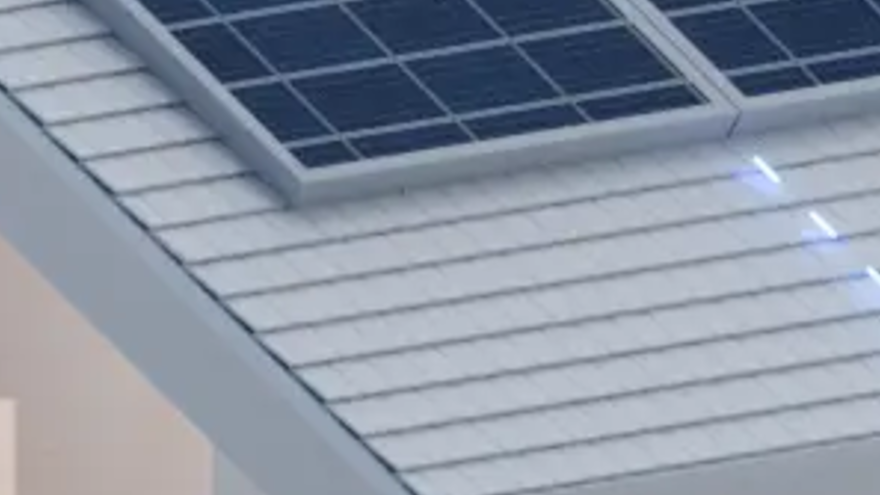


The Delhi new rooftop solar policy 2027 brings a major change for households that want to use solar power. Under the revised plan, eligible homes that use up to 400 units of electricity per month can get a rooftop solar system of up to 3 kW without paying the upfront cost.
The Delhi government has also set a large target. It plans to cover about 2.3 lakh households and add 500 MW of rooftop solar capacity by March 2027. The plan is designed to make rooftop solar easier and more affordable for families across Delhi.
So, what does the Delhi rooftop solar policy 2027 mean for homeowners? Let us understand the key points.
What Is the Delhi New Rooftop Solar Policy 2027?
The Delhi new rooftop solar policy 2027 is an updated approach to rooftop solar support in the capital. It aims to reduce the cost barrier that stops many families from installing solar panels.
Under the announced plan, domestic consumers with average monthly use of up to 400 units can receive a rooftop solar system of up to 3 kW at zero upfront cost, subject to technical feasibility and the final rules for implementation.
Therefore, eligible families may not need to arrange the full installation cost at the start.
At the same time, the programme will support a much larger number of homes. The government wants to install solar systems on 2.3 lakh rooftops and add 500 MW of new rooftop solar capacity by March 2027.
Who Can Get Free Rooftop Solar in Delhi?
Under the PM Surya Ghar Muft Bijli Yojana, eligible homes can get a ₹78,000 central subsidy for a 3 kW solar system. Delhi also offers a ₹78,000 state top-up to eligible households. So, the total support can be ₹1,56,000 for a 3 kW residential solar system. This support can help lower the cost of installing residential solar system at home. Solar Subsidy on 3kW Residential Solar System
Under the PM Surya Ghar Muft Bijli Yojana, eligible homes can get a ₹78,000 central subsidy for a 3 kW solar system. Delhi also offers a ₹78,000 state top-up to eligible households. So, the total support can be ₹1,56,000 for a 3 kW residential solar system. This support can help lower the cost of installing rooftop solar at home.
Solar Subsidy on 3kW Residential Solar System
Under the PM Surya Ghar Muft Bijli Yojana, eligible homes can get a ₹78,000 central subsidy for a 3 kW solar system. Delhi also provides a ₹78,000 state top-up for eligible households. Therefore, the total support can be ₹1,56,000 for a 3 kW residential solar system. This support can help reduce the overall cost of installing rooftop solar at home.
What Is the Target of the New Policy?
The scale of the Delhi new rooftop solar policy 2027 is large. The government has announced two major targets:
- 2.3 lakh households
Targeted for rooftop solar installations.
- 500 MW
Additional rooftop solar capacity targeted by March 2027.
This means the programme is expected to increase the use of solar power across residential rooftops in Delhi. As a result, more homes can generate clean electricity from their own rooftops.
Is the Free Solar Scheme Delhi Available to Everyone?
No. The free solar scheme Delhi is for eligible homes that use up to 400 units of electricity per month. The zero-upfront-cost benefit covers a solar system of up to 3 kW. However, the home must also meet the required technical conditions. For example, the roof should have enough space, and the electrical connection should meet the scheme rules. Therefore, homeowners should check the official guidelines before applying.
Why Choose Koshish Solar for Rooftop Solar Installation?
Choosing the right solar company can make your solar journey simple and stress-free. Koshish Solar helps you choose and install the right solar system for your home or business. With over 10 years of experience, our team provides trusted clean energy solutions from planning to installation.
Before installing a solar system, our team checks your electricity bills, power needs, roof space, and sunlight. This helps us choose the right solar system size for your property. We also help with system design, subsidy support, installation, and final setup. So, you get complete support from start to finish.
Koshish Solar is a trusted name in solar installation. We provide solar solutions for residential, commercial, and industrial projects across India.